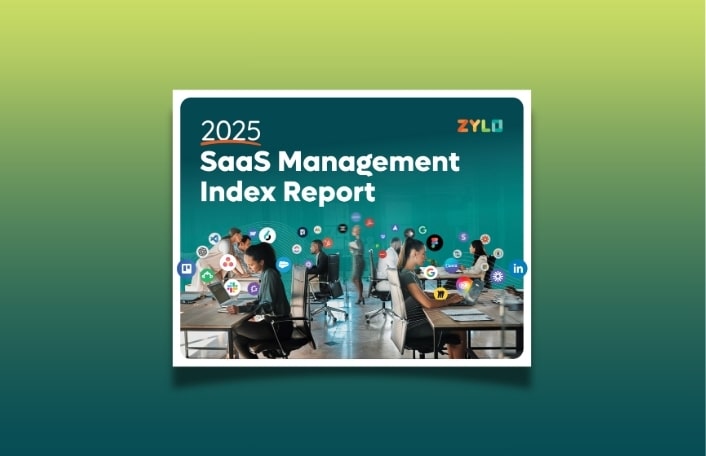
Zylo’s 2025 report analyzes software-as-a-service (SaaS) usage, spending, and risks, based on eight years of data (covering more than 40 million SaaS licenses and some $40 billion in spend).
Rising Costs & Spending Trends
- In 2024, average SaaS spending grew 9.3% year over year, marking the first increase in three years.
- The average company now spends $49 million per year on SaaS, which translates to roughly $4,830 per employee.
- Meanwhile, the average number of SaaS applications per company rose only 2.2%, reaching around 275 apps.
- Gartner projects global SaaS spending will reach $299 billion in 2025, up from $250.8 billion in 2024 — a 19.2% increase.
Why the high growth?
SaaS vendors are introducing premium add-ons, AI functionality, and shifting to new pricing models (e.g. consumption-based) to boost revenue, putting upward pressure on costs.
AI’s Rapid Influence & Risks
- Spending on AI-native SaaS tools jumped 75.2% year over year.
- Internally, ChatGPT went from being the #14 most-expensed app to #2.
- But with rapid AI adoption comes greater concern: 89.4% of surveyed IT leaders expressed worry about security risks from AI tools.
- There’s also a risk of vendor lock-in, as organizations commit to platforms whose AI features tie them in long term.
Decentralized Control & Visibility Challenges
- IT departments increasingly have less control over software procurement. In 2024:
• IT controlled ~26.1% of SaaS spend
• IT oversaw ~15.9% of apps - The rest is driven by “lines of business” (i.e. divisions) making purchases independently — which can lead to unchecked spending and risks.
- On average, about 7.6 new apps enter an organization’s tech stack each month. If unmanaged, this could lead to 33.2% growth in application portfolios.
What Organizations Should Do
- Adopt SaaS Management (combining tools, policies, and processes) to gain visibility into spend, usage, contracts, and risk.
- Monitor adoption of AI-enabled tools carefully, balancing innovation with security and governance.
- Ensure IT teams maintain visibility & accountability, even when business units procure software.
- Shift from rigid pricing models (e.g. per-seat licensing) to outcome- or consumption-based models, and renegotiate contracts where possible.